Bridging the Phenotype-Proteome Gap: A Multi-Modal AI Framework for analysis of Cell Painting images
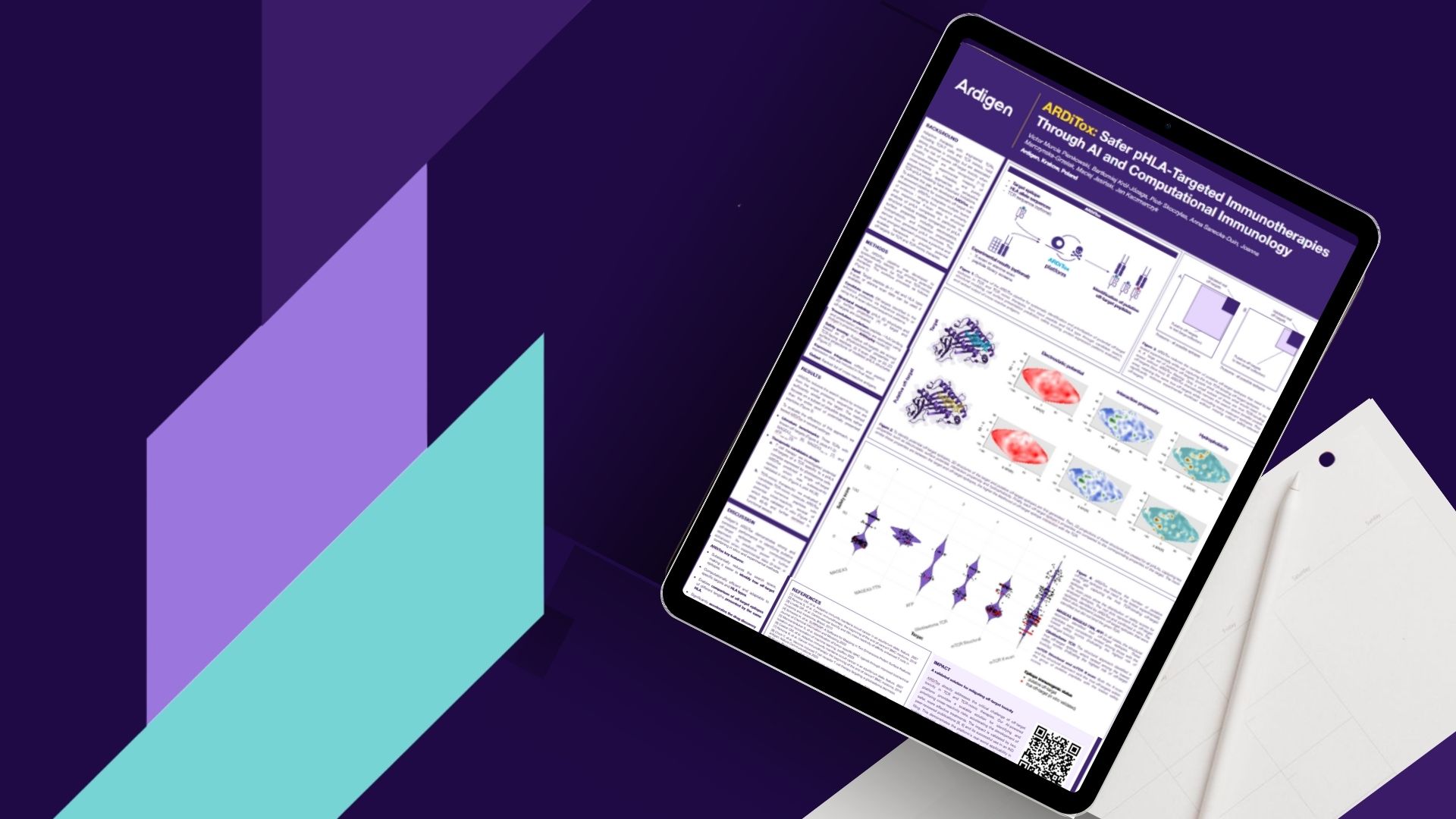
About the poster
Cell Painting assay captures a vast range of morphological information. However, translating these visual phenotypes into biological insight remains a challenge. This study investigates the capacity of AI architectures to reconstruct proteomic profiles directly from morphological features.
We developed a multi-modal AI framework for proteomic profile prediction by integrating Cell Painting images with corresponding mass spectrometry data from cells treated with ~2000 reference compounds. We compared CellProfiler features against various Deep Learning embeddings: Masked Autoencoder (MAE), self-distillation with no labels (DINO), and CLOOME. We focused on MAE with a ViT-B/8/224 backbone and optimized the model for microscopic images through high masking ratios and Fourier domain reconstruction loss. Using a Multilayer Perceptron (MLP) and nested cross-validation, we evaluated the models on two primary tasks: the classification of protein up/down regulation and the regression of normalized protein abundance.
Our findings demonstrate that classifying protein expression regulation is more robust than direct abundance regression. A substantial fraction of investigated proteins was predicted with high accuracy, with performance scaling in response to compound-induced perturbations. In a focused analysis of chemical treatments, the system successfully identified a large proportion of regulated proteins, showing strong dose-dependency for top-performing markers.
Results suggest a latent but measurable correspondence between cellular morphology and proteomic states. While challenges remain in achieving high-resolution reconstruction for all protein classes, we show that phenotypic profiling can serve as a proxy for capturing broader biological shifts, offering a potential bridge between morphological changes and proteomics cell state to support drug discovery processes.