AI Biologics Development Services

Design, prioritize and optimize antibody and protein candidates with computational biology, structural modeling and program-specific AI support.

AI for biologics from candidate generation to lead optimization


Ardigen provides biologics development services for teams generating candidates, screening hits or improving an active lead. We combine structural biology, bioinformatics and AI for biologics around the modality, available data and next biologics drug discovery decision.

Key capabilities for biologics development

Accurate target characterization

Analyze target structure, biological context, epitopes and interaction regions to define the design and screening question.

Effective lead generation

Antibody discovery services can explore sequence and structural design space to propose diverse candidates for experimental evaluation.

Intelligent hit screening

Compare candidates across binding, specificity and relevant biologics developability indicators, including stability, solubility, aggregation and immunogenicity risk.

Binder-target interaction insights

Use interface analysis, structure prediction and program-appropriate modeling to examine selectivity and potential off-target interactions.

AI solutions grounded 
in biology for biologics development

With advanced AI models, state-of-the-art bioinformatics and physics-based tools at your hands, you can develop biologics that are effective, precise and optimized for performance, enabling true AI-driven biologics development.

De novo lead generation

1
1

Generate candidate sequences or structures from a defined target, interaction site or scaffold, using methods appropriate to the modality.

Hit screening

2
2

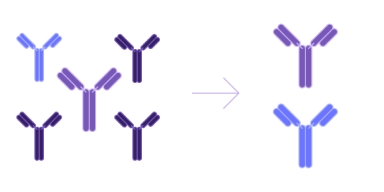
Prioritize existing or generated candidates against agreed binding, specificity and developability criteria before selecting the next experimental set.

Lead optimization

3
3

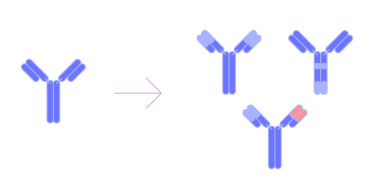
Antibody engineering services can evaluate focused sequence changes, affinity-maturation options and property trade-offs across potency, selectivity, stability and downstream development requirements.

Deep molecular insights

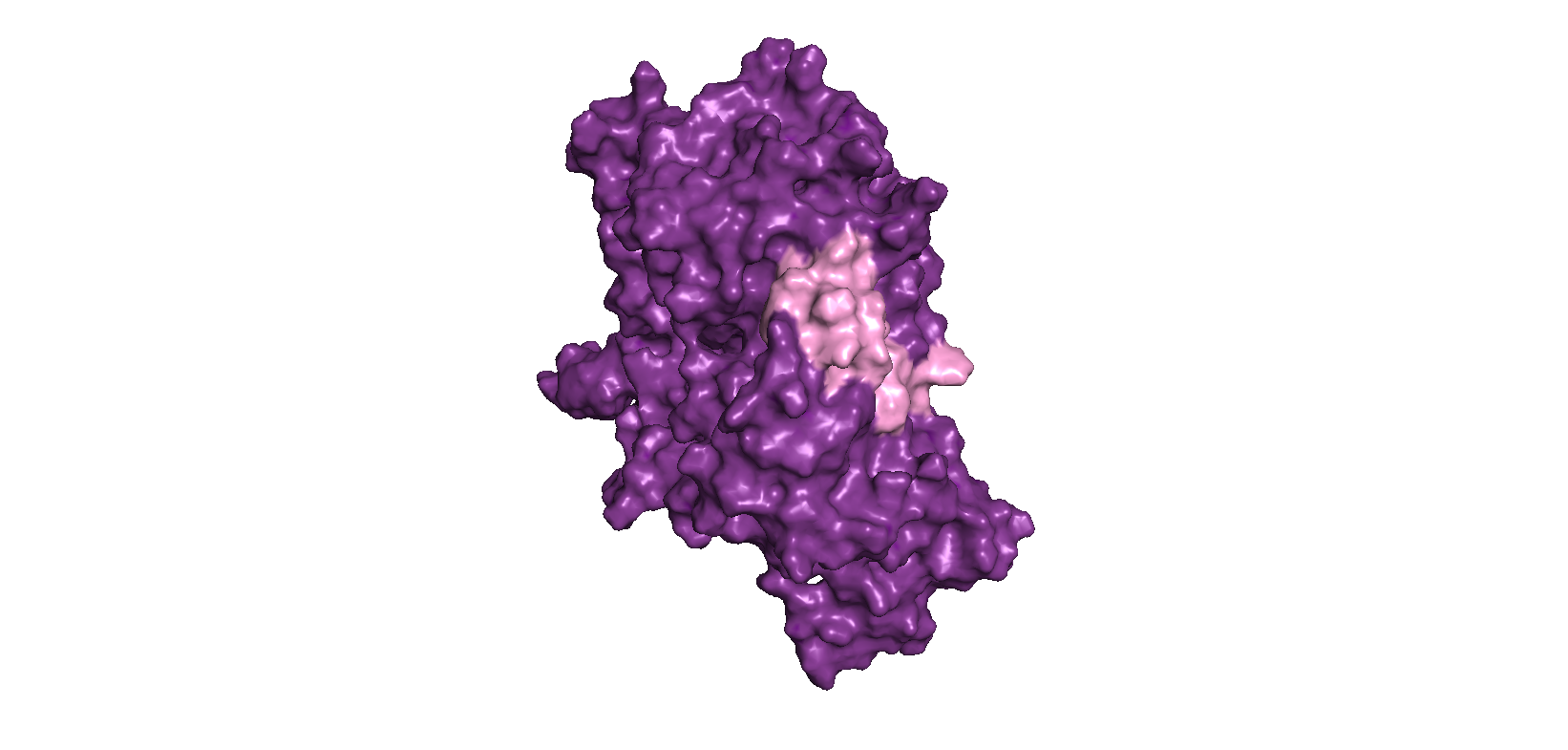
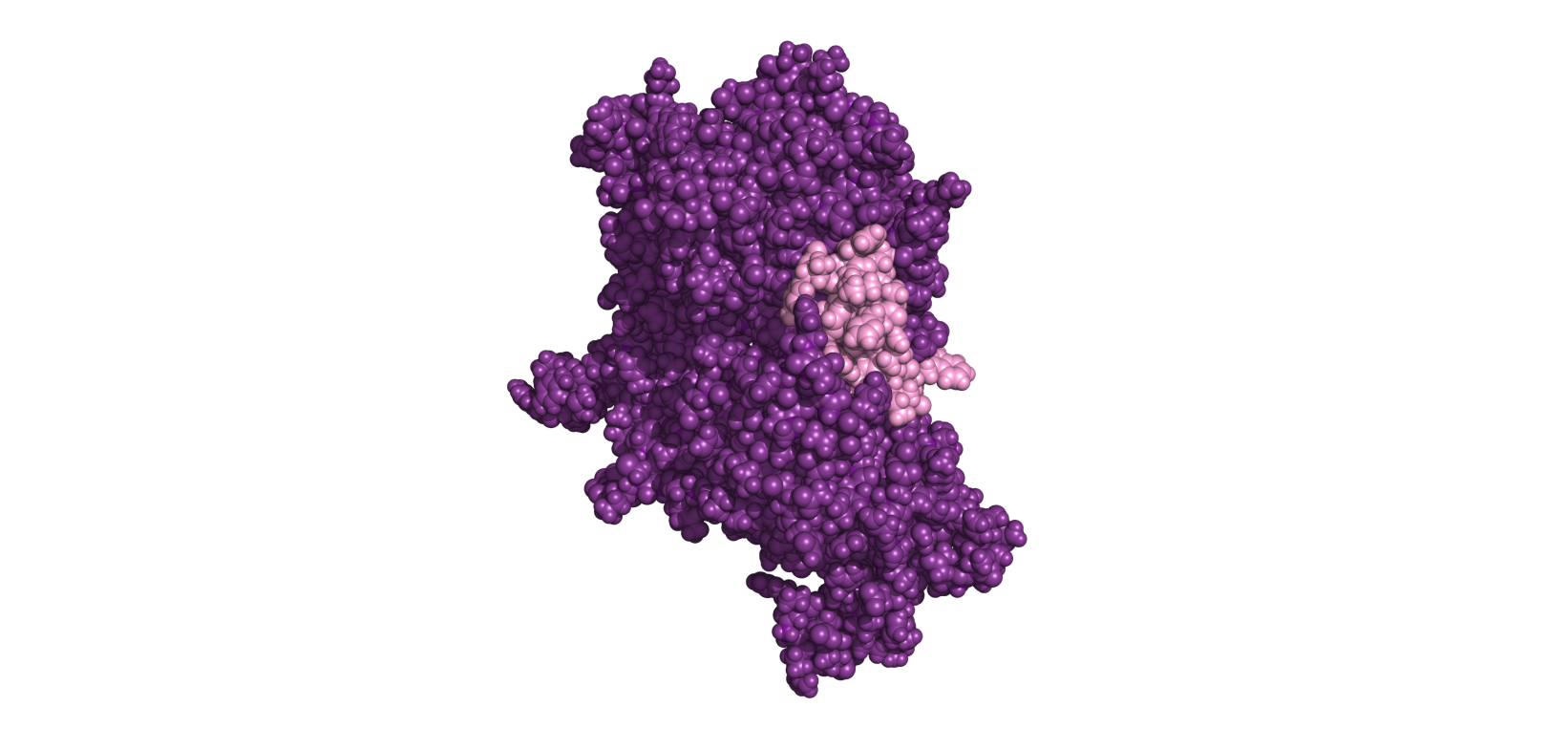
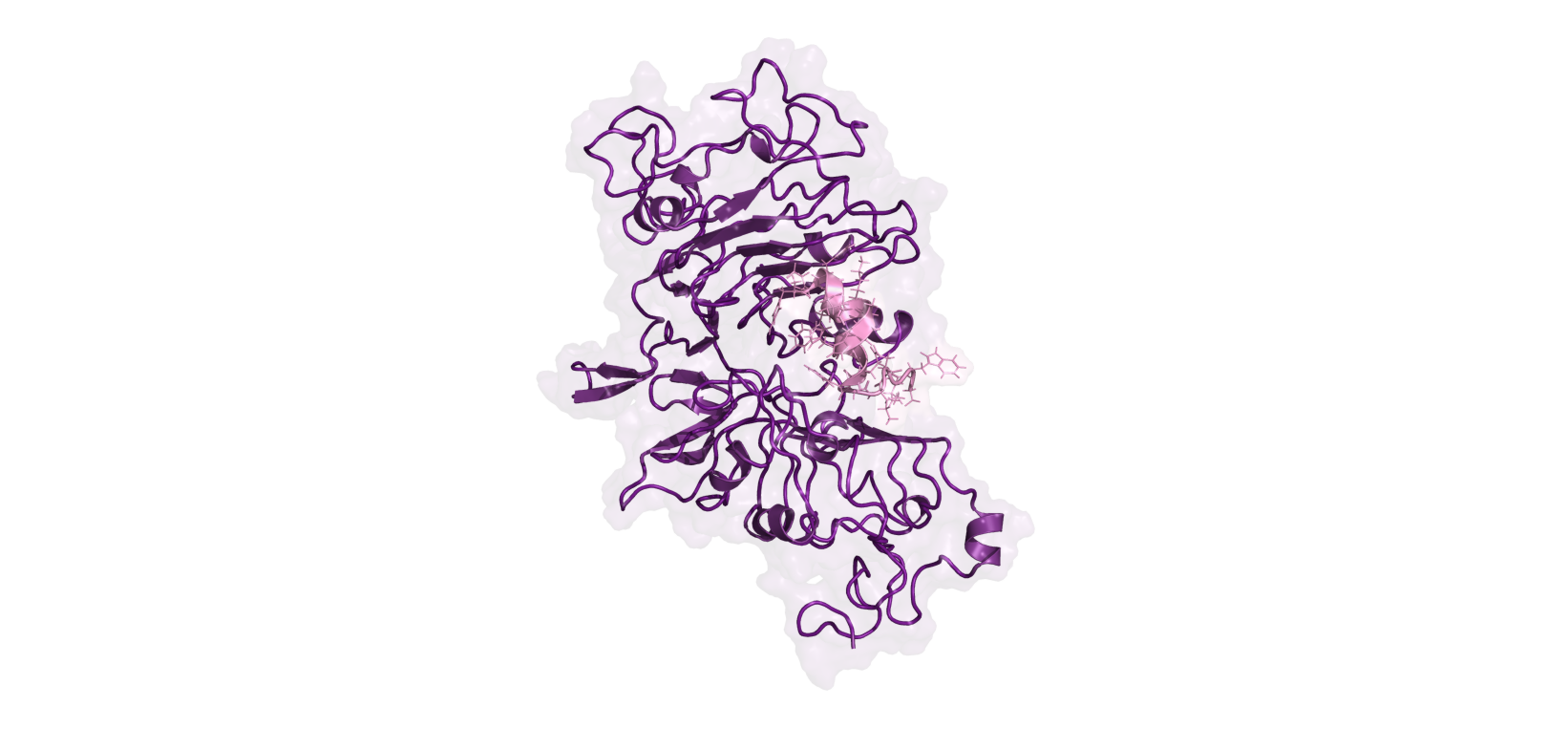
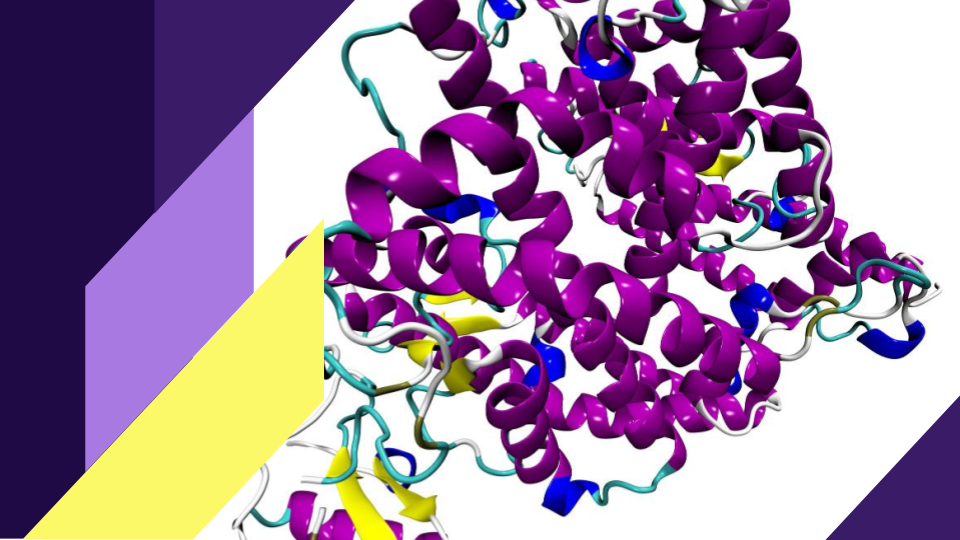
Ardigen combines AI-supported analysis with physics-based techniques, such as protein-protein docking and molecular dynamics where appropriate, to examine biologic structures and binder-target interactions.

1
1

Model complex biologic structures from sequence and available structural evidence.

2
2

Analyze conformational behavior, structural changes and molecular interactions.

3
3

Characterize amino-acid interactions and interface hypotheses for scientific review.

Why teams use Ardigen for AI-driven biologics development

Advanced AI solutions for biologics discovery

Apply sequence, structure and generative methods according to the target, modality and decision criteria.

Comprehensive scientific context

Connect AI outputs with bioinformatics, structural biology and physics-based analysis instead of evaluating a candidate through one score.

Clear service delivery

Receive a defined work package with inputs, methods, assumptions, candidate-level rationale and a handoff for the next experimental cycle.

See the impact

AI in Biologics Case Studies

See more case studies

Evaluating interactions between a defined binder and multiple receptors

Read more

Lead optimization for antibody therapeutics

Read more

Frequently Asked Questions

AI can help teams analyze sequence, structure, binding and developability evidence across a larger candidate set. It supports candidate generation, screening and lead optimization while experimental testing confirms biological activity and development suitability. Ardigen can work alongside an internal team or biologics CRO with responsibilities defined in the project scope.

AI for biologics can support antibodies and antibody-derived binders, peptides, miniproteins, recombinant proteins and other amino-acid-based modalities. The exact workflow depends on the format, available structural evidence and experimental plan.

Models can propose candidates and compare them using sequence, structural, predicted binding and developability evidence. The result should be a reviewable shortlist with clear criteria for the next laboratory cycle.

Generative and structure-based methods can propose new sequences or structures against a defined interaction context. Candidate selection should also consider specificity, stability, solubility, aggregation, immunogenicity and manufacturability requirements relevant to the program.
Computational models can flag sequence or structural patterns associated with immunogenicity, instability, aggregation and other developability risks. These assessments guide prioritization and testing; they do not replace experimental characterization.

Visit our Knowledge Hub to read more about

AI for Biologics

Molecular structure representing AI-supported antibody design for blood-brain barrier research
How BBB-Penetrating Antibodies Cross the Blood-Brain Barrier
Where Biology Meets Data: Key Takeaways from Festival of Biologics & BioTechX 2025
Learn how biotech can innovate faster and smarter. Discover how AI can benefit biologics’ discovery from protein design to in silico testing.
The AI-Biology Convergence: Designing the Next Generation of Biologics
banner that introduces blog post a key take aways from the Drug Discovery Conference
Data dreams and drug design: What we learned at Discovery and Development Europe 2025

Contact

Discuss your biologics development program

Share your target, modality, candidate set, available data and next experimental decision. Ardigen will review the scope of the biologics development services that can support it.

Send us a message and we will contact you back within 48 hours.

Newsletter

Become an insider

Be the first to know about Ardigen’s latest news and get access to our publications, webinars and more!