
An integrated framework for explainable phenotypic characterization: application to toxicity
About the poster
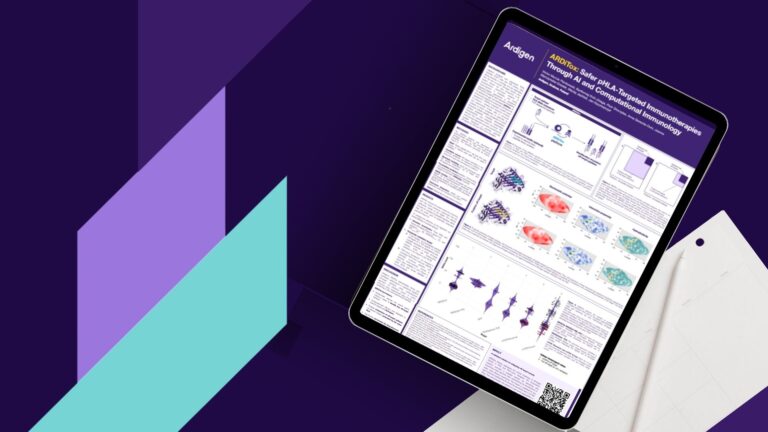
Early characterization of compound bioactivity remains a challenge in drug safety. We established an integrated framework for High Content Screening data analysis that combines dual feature extraction, concentration–response anomaly modeling, feature interpretability, and Point of Departure (PoD) estimation to characterize modes of action.
Here we present the analysis of a 191-compound library with diverse toxicity annotations, profiled across five concentrations in human hepatoma cells in Cell Painting assay. Images were processed using handcrafted CellProfiler (CP) features and Deep Learning (DL) embeddings. Firstly, unsupervised clustering was performed independently per representation to map phenotypic trajectories. Then, we computed anomaly scores against negative and positive controls to calculate PoD and EC50. Finally, feature importance ranking identified organelle-stain drivers for interpretability.
Both representations independently resolved the same three active clusters and all assigned compounds yielded calculable PoDs. Anomaly-derived PoDs aligned tightly with the dose of entry into an active cluster, confirming detectable morphological changes. Critically, the representations were complementary: across clustering and negative- and positive-control hit identification, each detected active compounds the other missed. CP uniquely resolved an apoptosis cluster that DL left in baseline, while DL uniquely recovered additional metabolically active compounds. Feature interpretation linked clusters to inner-zone ER redistribution, DNA–mitochondria co-localization, nuclear radial unevenness, and organelle accumulation. The explainability of our framework confirms that Cell Painting features group compounds by intracellular mode of action rather than target-organ annotation.
This work demonstrates the value of a hybrid strategy: Deep Learning embeddings enable scalable, feature-engineering-free profiling, while CellProfiler features enable explainability and interpretability.
Poster was presented at SBi2 2026 in Boston