Initial Insights into Cost-Efficient AI Toxicity Profiling: Cell Painting + Chemical Structures
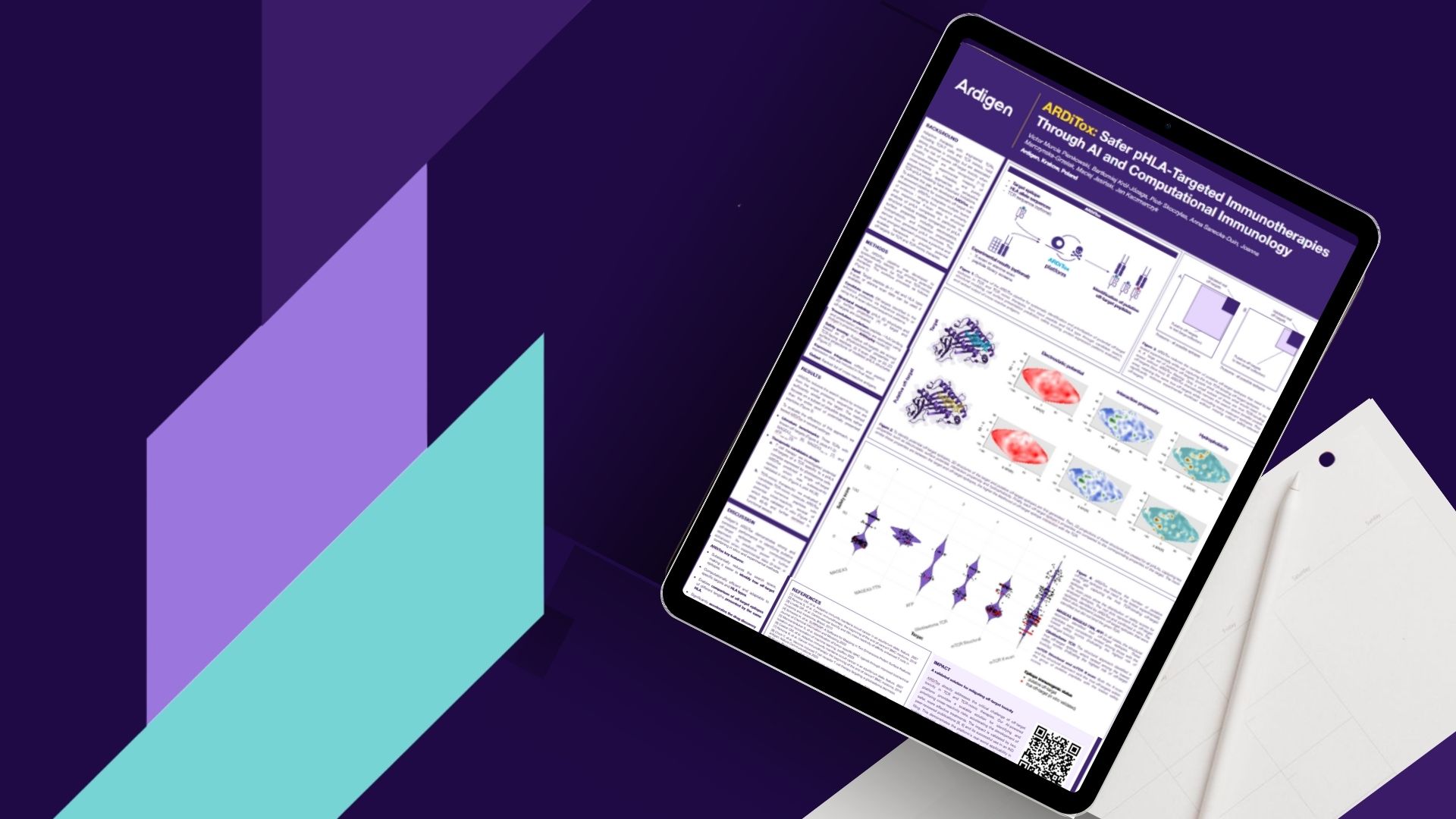
About the poster
Toxicity is one of the most common reasons for failure in late stage drug development, accounting for 30% of non-successful projects1. While multiple assays for various toxicity types are available, they usually are quite costly and unfit to be run in a high-throughput setting. This makes them only feasible at the late stage drug discovery, where failure results in a significant time and resource penalty to the project. Quantitative Structure-Activity Relationship (QSAR) toxicity prediction methods could be applied at the earlier stage of the projects, however, their use is limited to the chemical space of the training data and the method often fails for novel chemical structures.
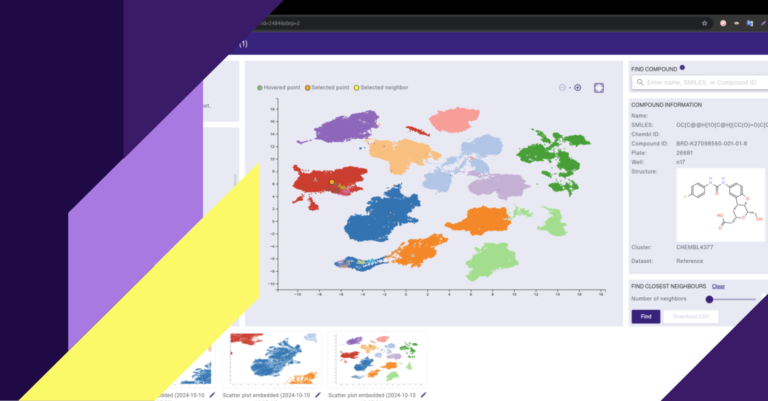
I this poster we present an endeavor to create a dataset of small molecule treatments visualized with the target-agnostic Cell Painting assay2, that captures the early onset of various types of toxicity, such as hepato-, cardio-, and genotoxicity. This data, screened in relevant cell lines and analyzed with multimodal Artificial Intelligence algorithms allows us to build models capable of assessing the treatment toxicity with high accuracy and throughput.
For the proof of concept project we selected a single hepatocyte HUH7 cell line and tested an initial small set of compounds with known toxicities. The results show that using multiple modalities, here image and molecular structure, improves the predictive power over single modality models. Additionally, we are able to detect and predict cell-line independent toxicities, such as cardiotoxicity signals in a hepatocyte cell line.